





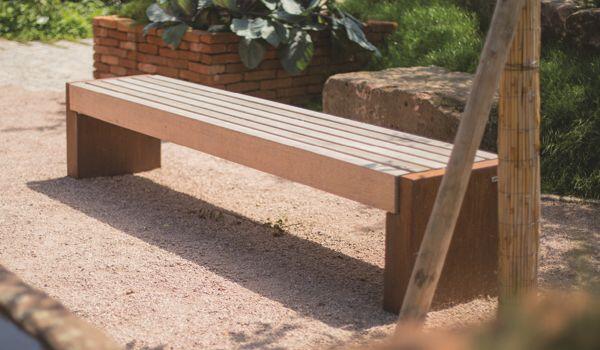
Bench EMDEN with high quality hardwood top

Valuable seating also includes high-quality wood with high density. As a regenerative raw material, hardwood is therefore ideal for seat pads - due to its stability, good processing properties, relatively easy availability, natural appearance and, above all, thanks to its insulating effect. We use only high-quality 100% hardwood from certified suppliers from controlled forest management.
The hardwoods with mostly tropical origin have almost displaced native woods such as larch and pine in high-quality construction projects. This is mainly due to the lower maintenance requirements and the much longer service life of tropical hardwood species. For example, hardwoods have a much higher resistance to environmental influences such as UV radiation and moisture. With appropriate installation, the woods are also stable against pest infestation and insensitive to mold.
User information SEAT COVERS
Under 100% hardwood we summarize all particularly high-quality, hard and weather-resistant woods mostly of tropical origin. All hardwoods processed and supplied by us are characterized by:
Formally, hardwoods are defined as wood varieties with a bulk density in dry wood of 0.55 g/cm³. Known representatives of hardwoods with European origin are, for example, beech, oak and ash. The tree species from which the processed and delivered wood actually originates varies again and again depending on the availability of the raw material. Currently, we use wood of the tree species Meranti (other names: Seraya or Balau) particularly frequently. To ensure that we are able to deliver regularly, we always keep a certain amount of raw material in our warehouse.
Many architects and builders are eager to use hardwood of European origin and ask us the good German oak. However, we advise against the use of solid oak planks as a seat cover for various reasons:
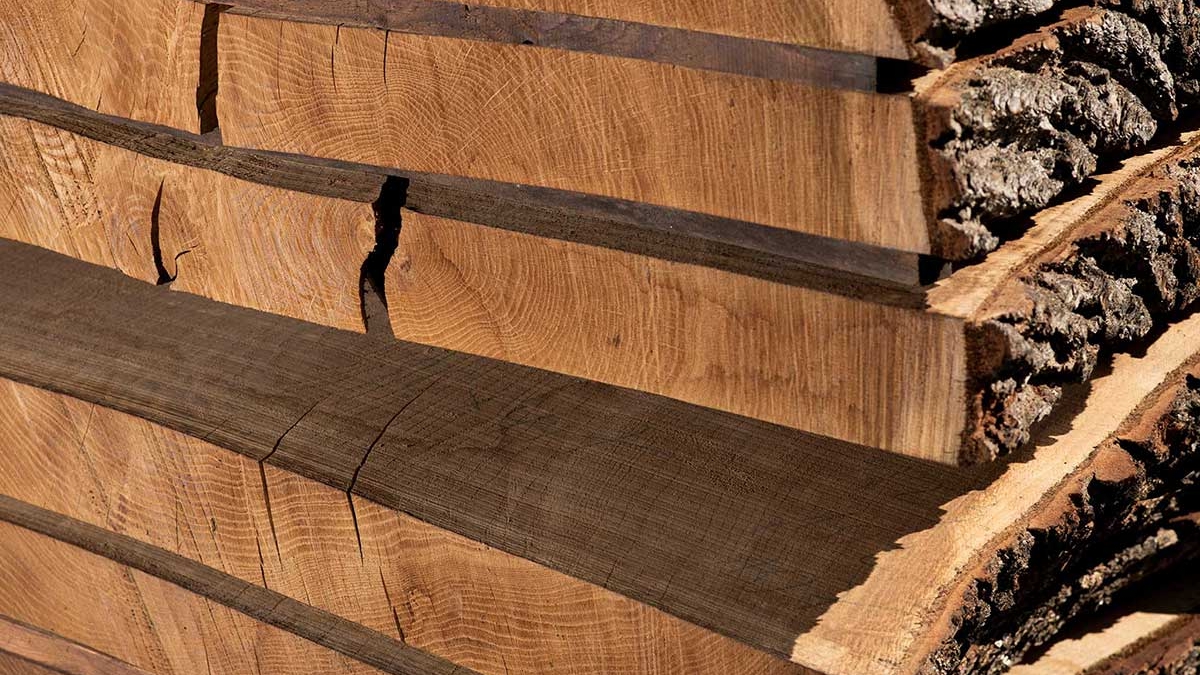
Wood is and remains a natural product. The irregularities in grain, color and structure are what make wood what it is: a natural, warm and versatile building material. Thus, all woods have stone inclusions, differences in color, cracks, resinations and wormholes - sometimes more and sometimes less. All these are natural phenomena and do not justify a complaint. If you do not want these "blemishes", then we recommend that you switch to the natural fiber composite RESYSTA® or the biologically treated KEBONY®.
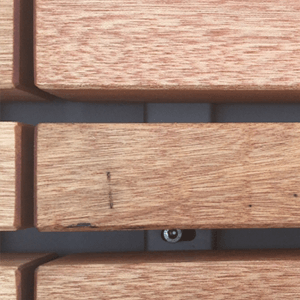
The rapid fading of the wood surface is a natural phenomenon: photochemical, physical and biological processes take place when exposed to sunlight. In the process, the lignin in the wood is broken down and washed out under appropriate weathering. What remains is the silvery-white cellulose. Without treatment, any hardwood will turn gray within a few months and take on the typical silvery appearance. This process can be delayed by oiling. However, oiling has no effect on the service life of the hardwood, which can be more than 30 years in a temperate climate, depending on the type of wood.

Cut lumber, the preliminary product for the production of our robust bench seats, is basically available in any dimension. However, for practical and technical reasons, various standard wood dimensions have proven advantageous and we keep them in stock. These typical preferred dimensions are:
65 mm x 65 mm and 130 mm x 65 mm.
Other dimensions for individual benches are possible by arrangement.
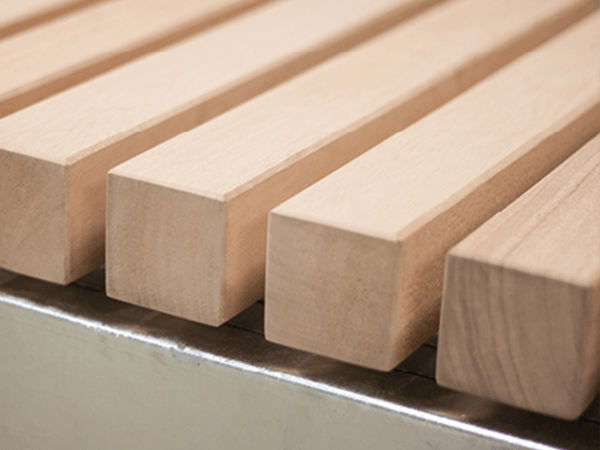
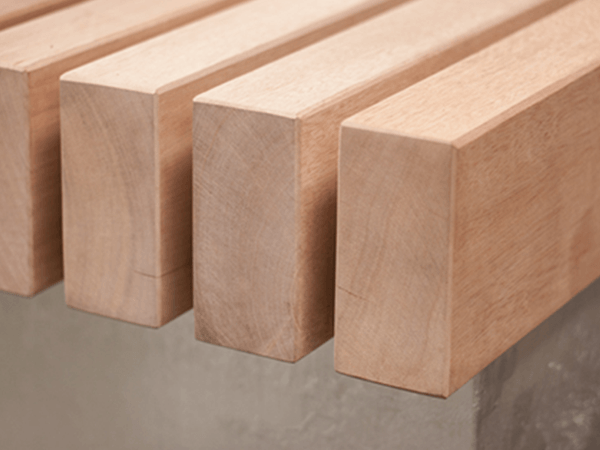
"100% hardwood with certificate, grade 1, low knot, kiln dried with residual moisture below 20%. Surface planed and sanded on all sides, all edges chamfered 3 x 45°. Surface lightly oiled."